2026–2027
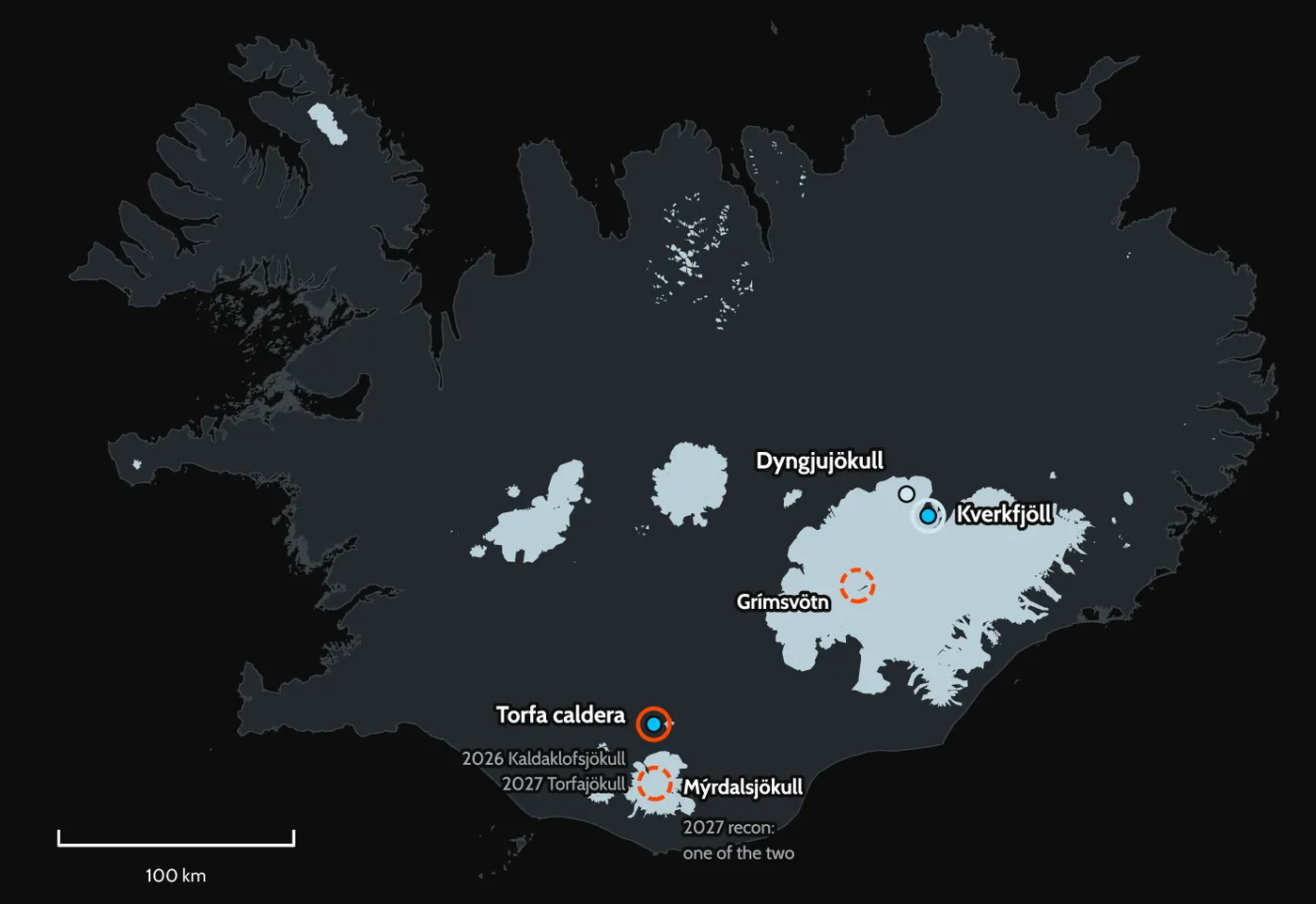
Torfa caldera
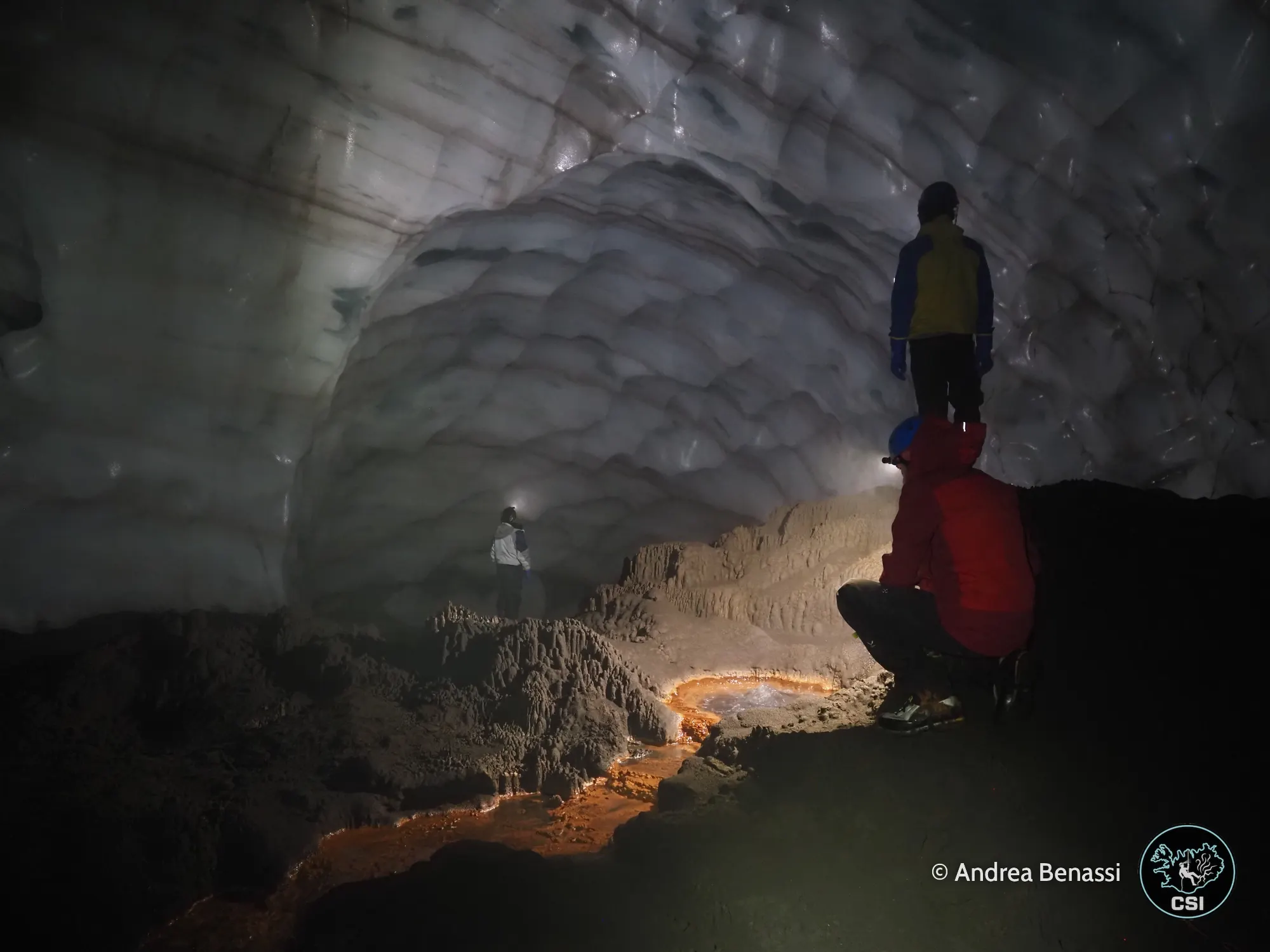
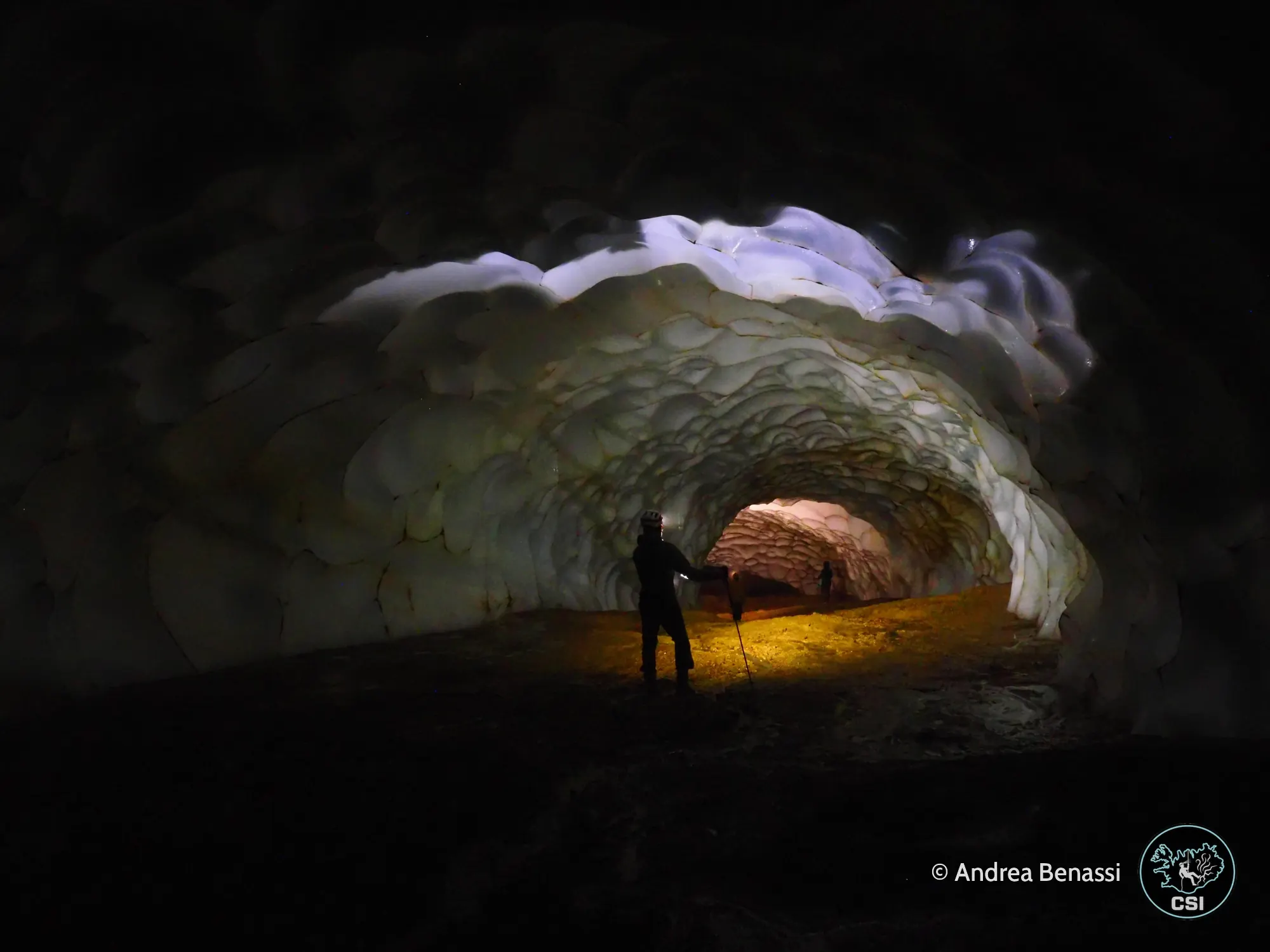
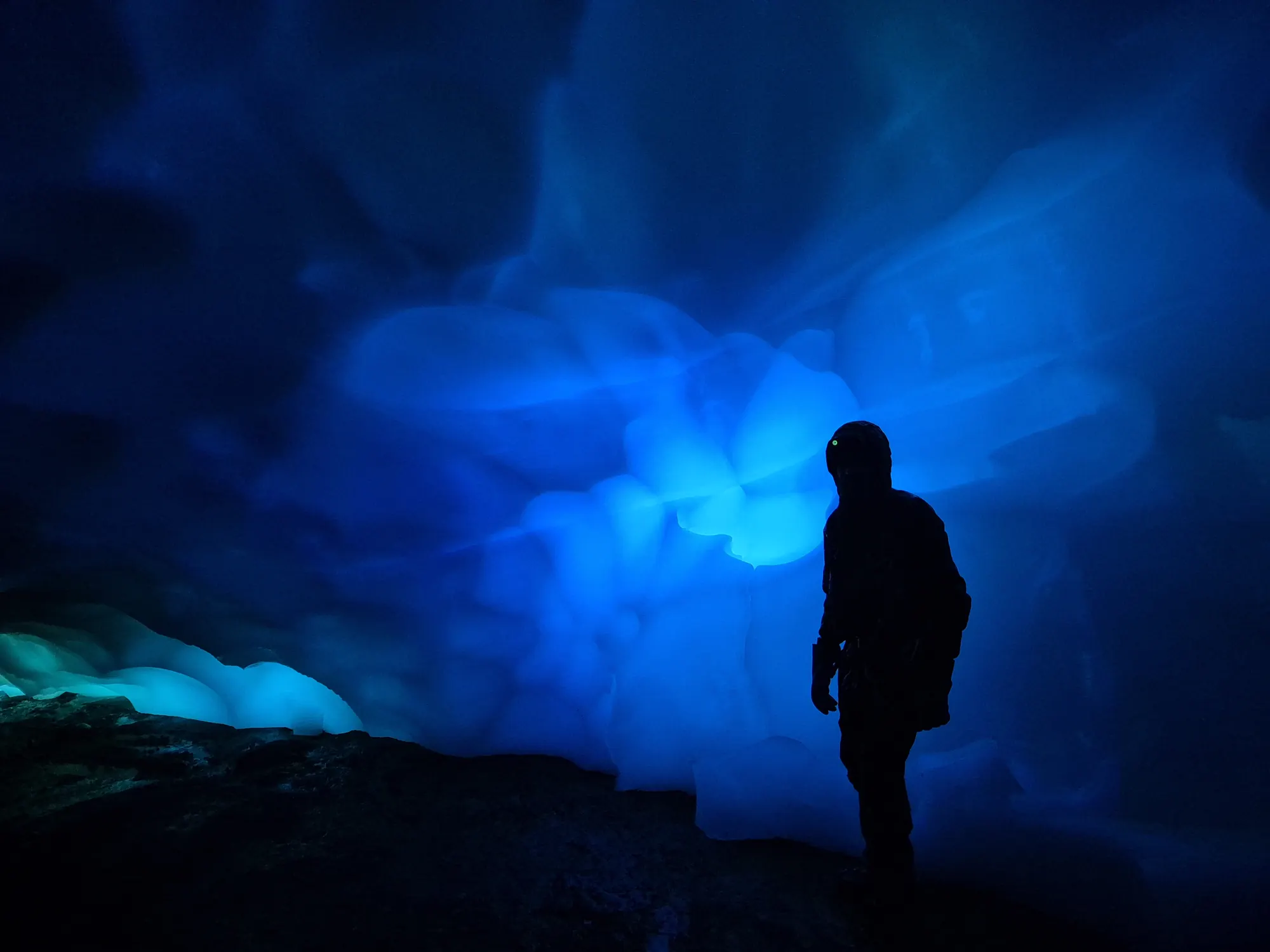
Freyja Hellir, a new glaciovolcanic cave on Kaldaklofsjökull: almost 1500 m surveyed, with a hall about 50 m across.
See all 9 photos
Exploring Iceland's glaciovolcanic caves
2025–2027
The project
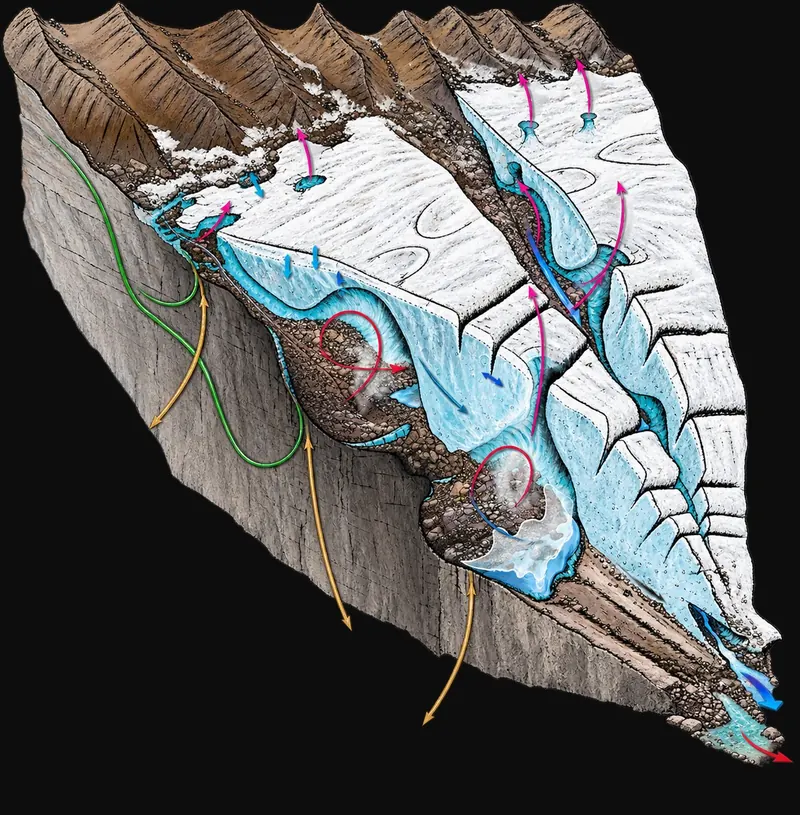
Where a volcano melts a glacier from below, caves open in the ice. They can vanish within a year. We go back, survey them and measure what changes.
Ordinary glacier caves are cut by surface meltwater. These are melted from below by geothermal heat and steam. The ceiling is ice. The air may not be breathable.
2026 fieldwork carried out under a research permit.
2025–2027
2025 Reconnaissance
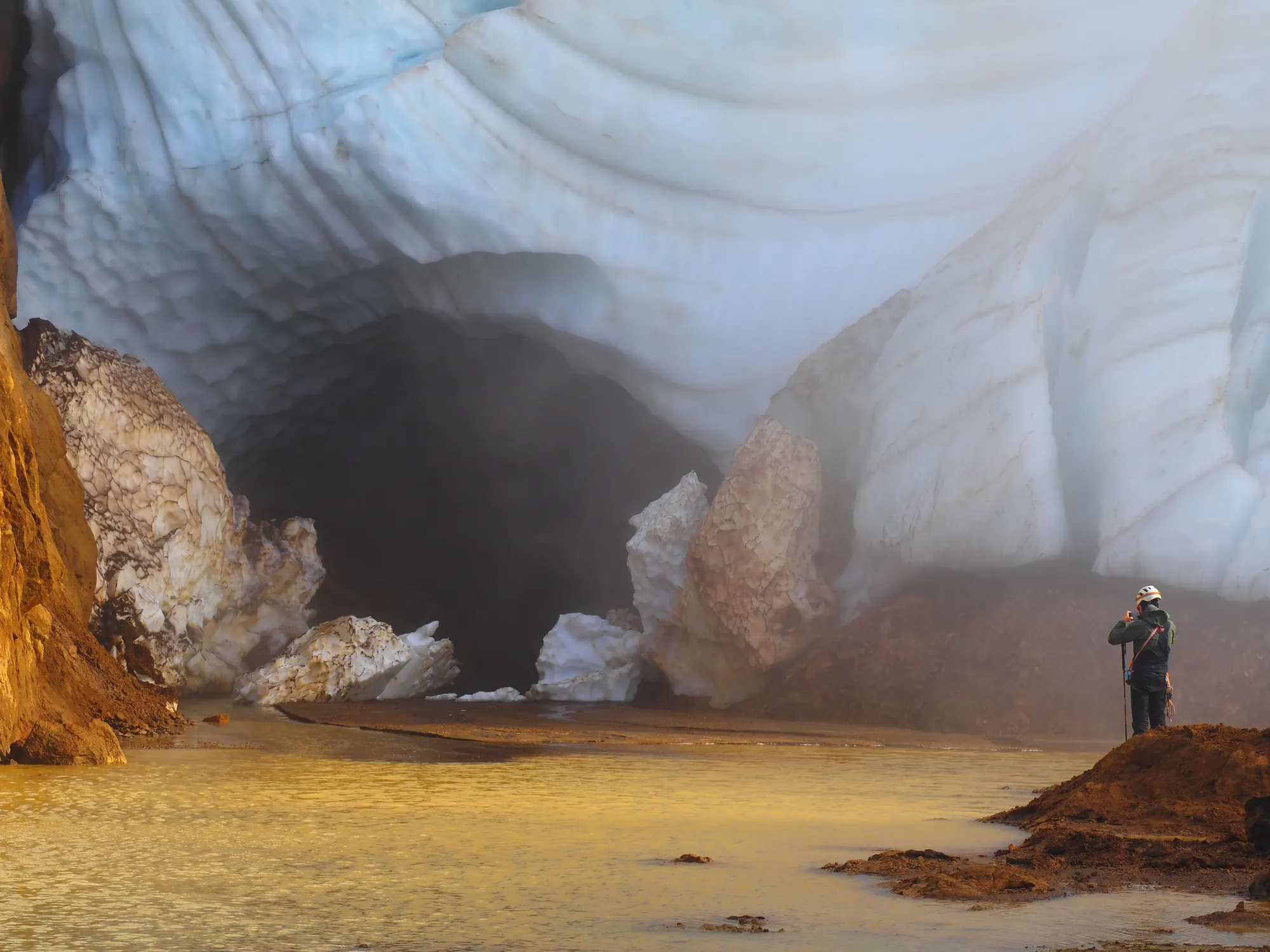
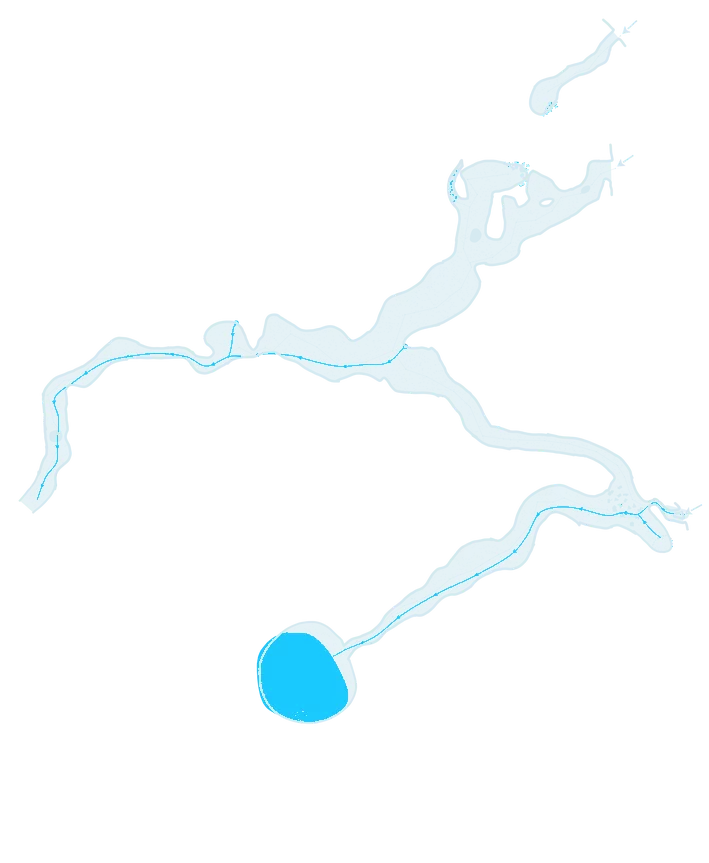
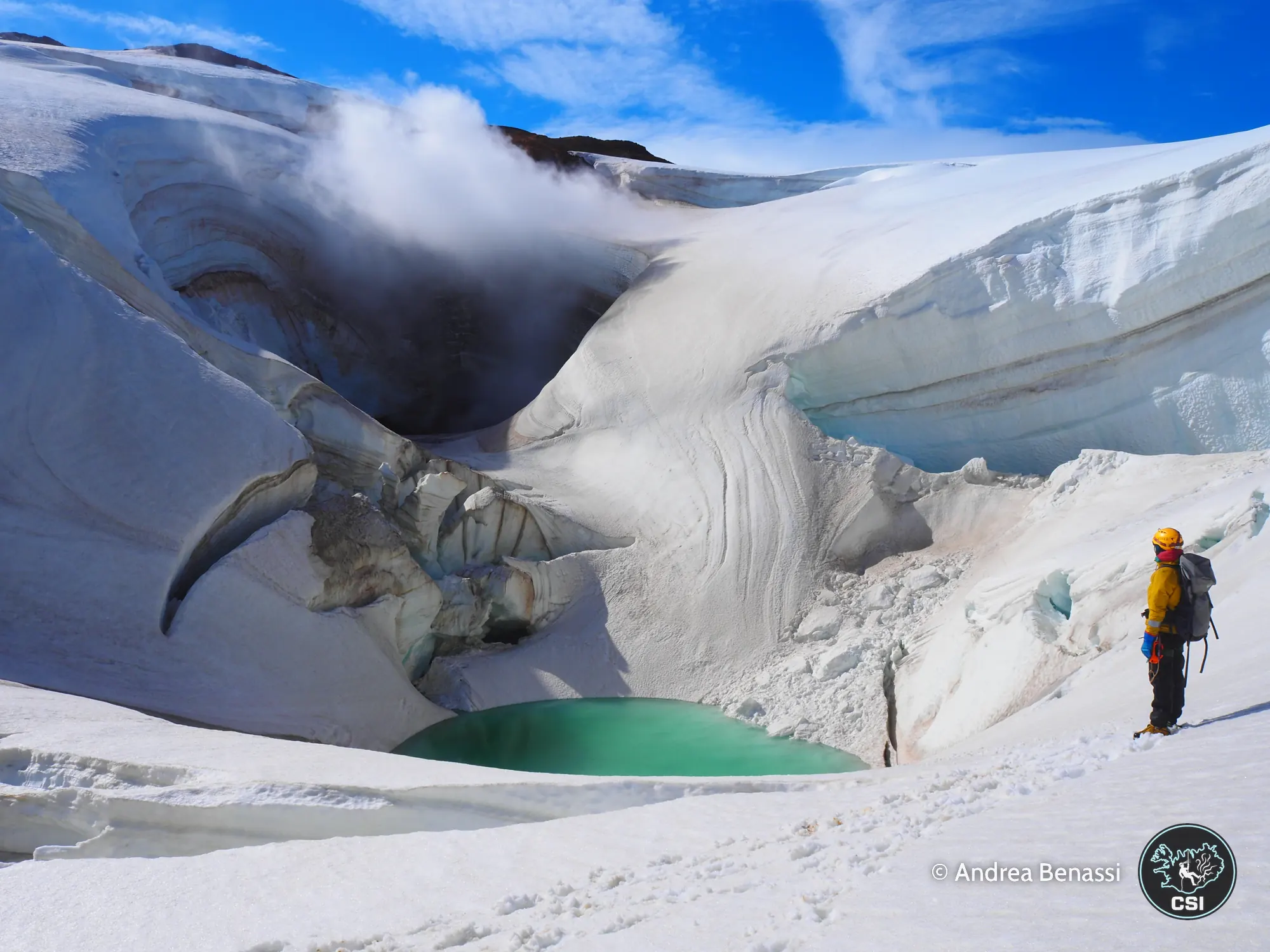
Four people on the trail of Gérald Favre's Swiss team, which explored Kverkfjöll from the 1980s to 2008: the deepest glacier cave known, about 500 m deep and 2.8 km long in 1984. The great cave stayed closed. Near the hut, on top of the volcano, we found the Hveradalur system: almost 1 km.
2026 Discovery
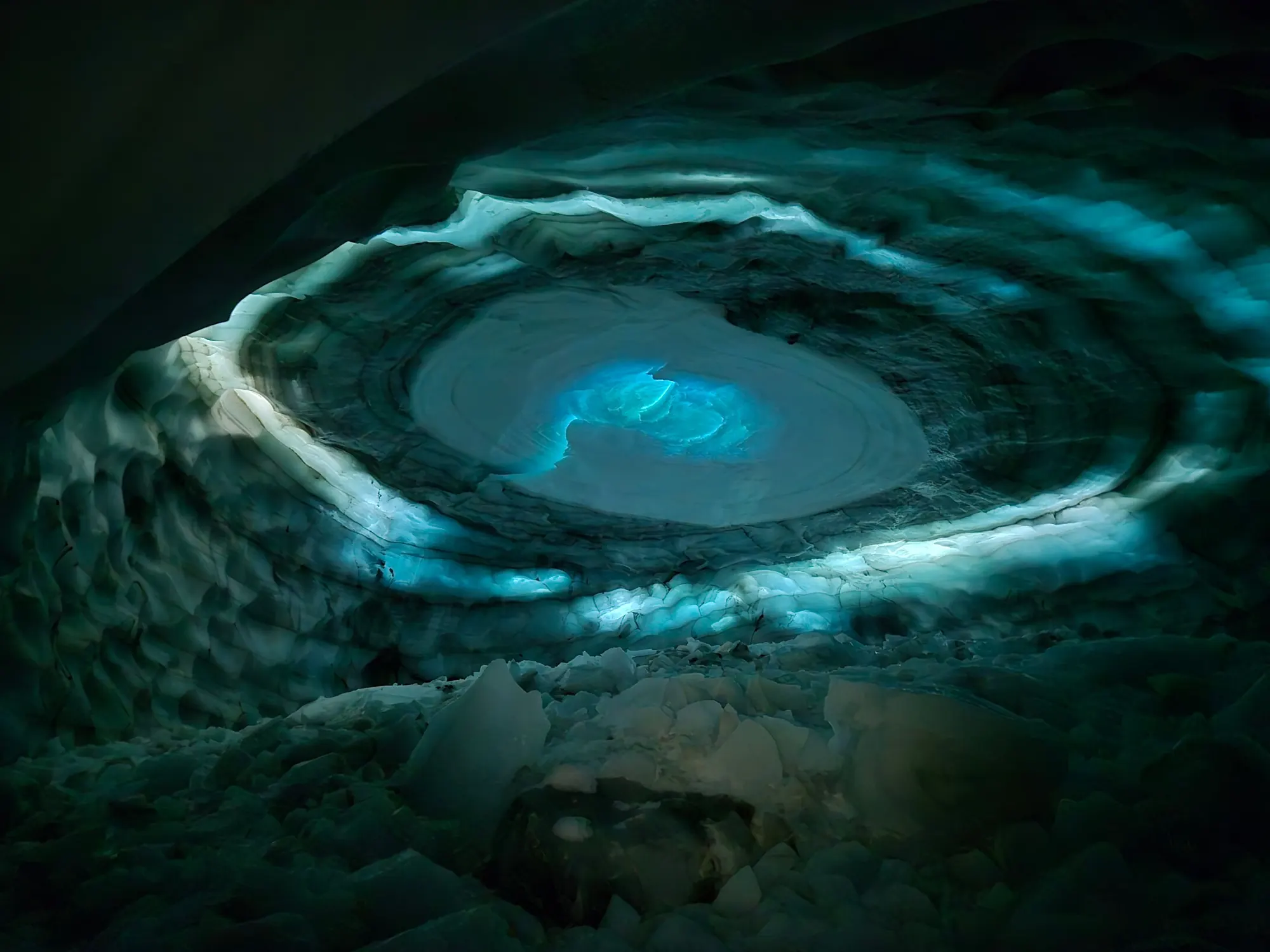
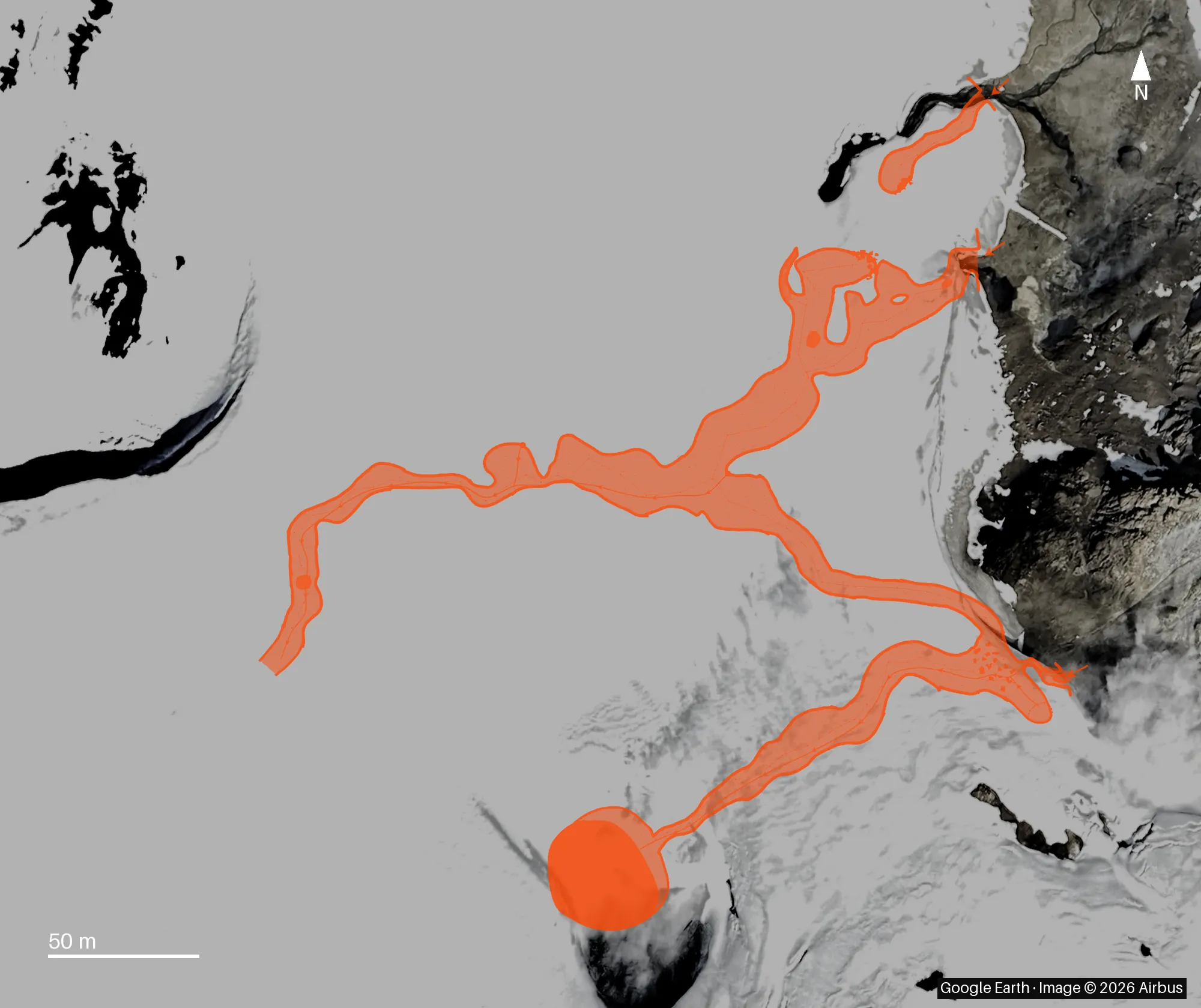
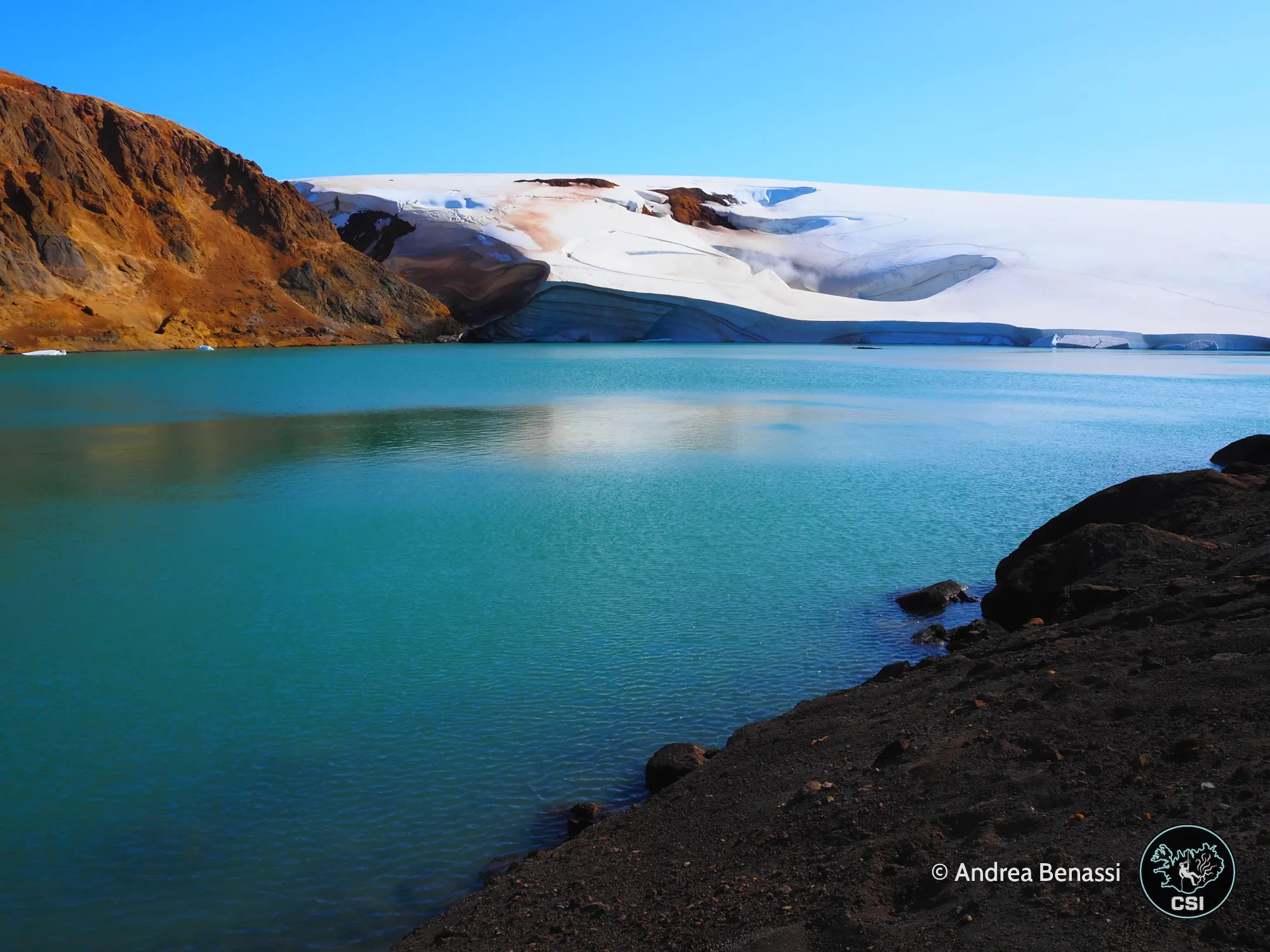
A thaw lake flooded most of Hveradalur: of almost 1 km, 150 m remained above water. On Kaldaklofsjökull we found Freyja Hellir, a new glaciovolcanic cave: almost 1500 m surveyed, with a hall about 50 m across.
2027 Expansion
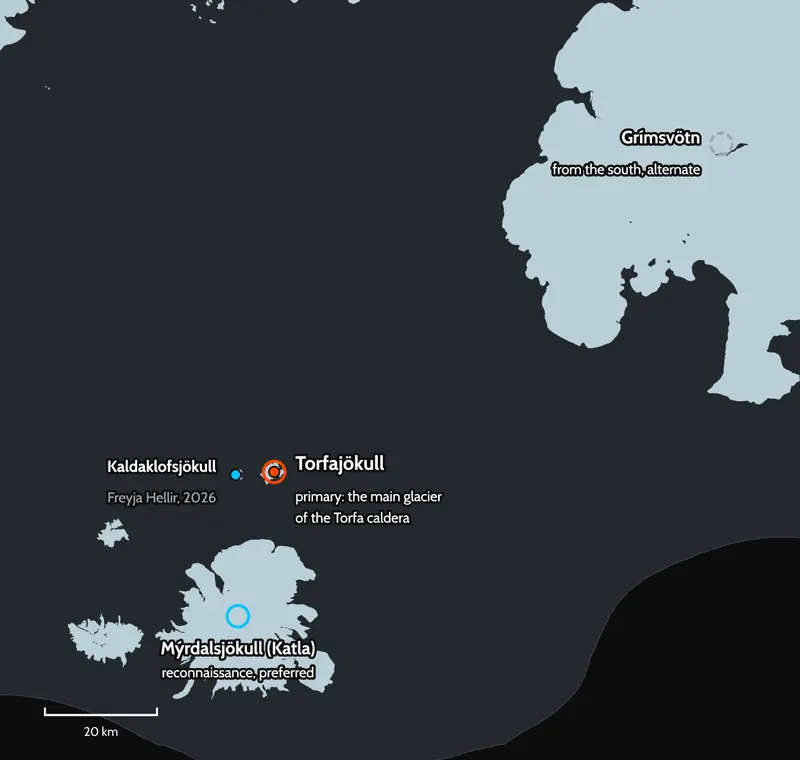
Back to the Torfa caldera, this time on its main glacier. Reconnaissance on Mýrdalsjökull (Katla), or the Grímsvötn cauldrons from the south. Lidar joins the survey. About 10–31 July 2027, with the 2026 team.
 2006
 2025
Places
2026–2027
Freyja Hellir, a new glaciovolcanic cave on Kaldaklofsjökull: almost 1500 m surveyed, with a hall about 50 m across.
See all 9 photos
2025–2026
On the trail of Gérald Favre's Swiss team: the Hveradalur system, almost 1 km, then flooded by a thaw lake.
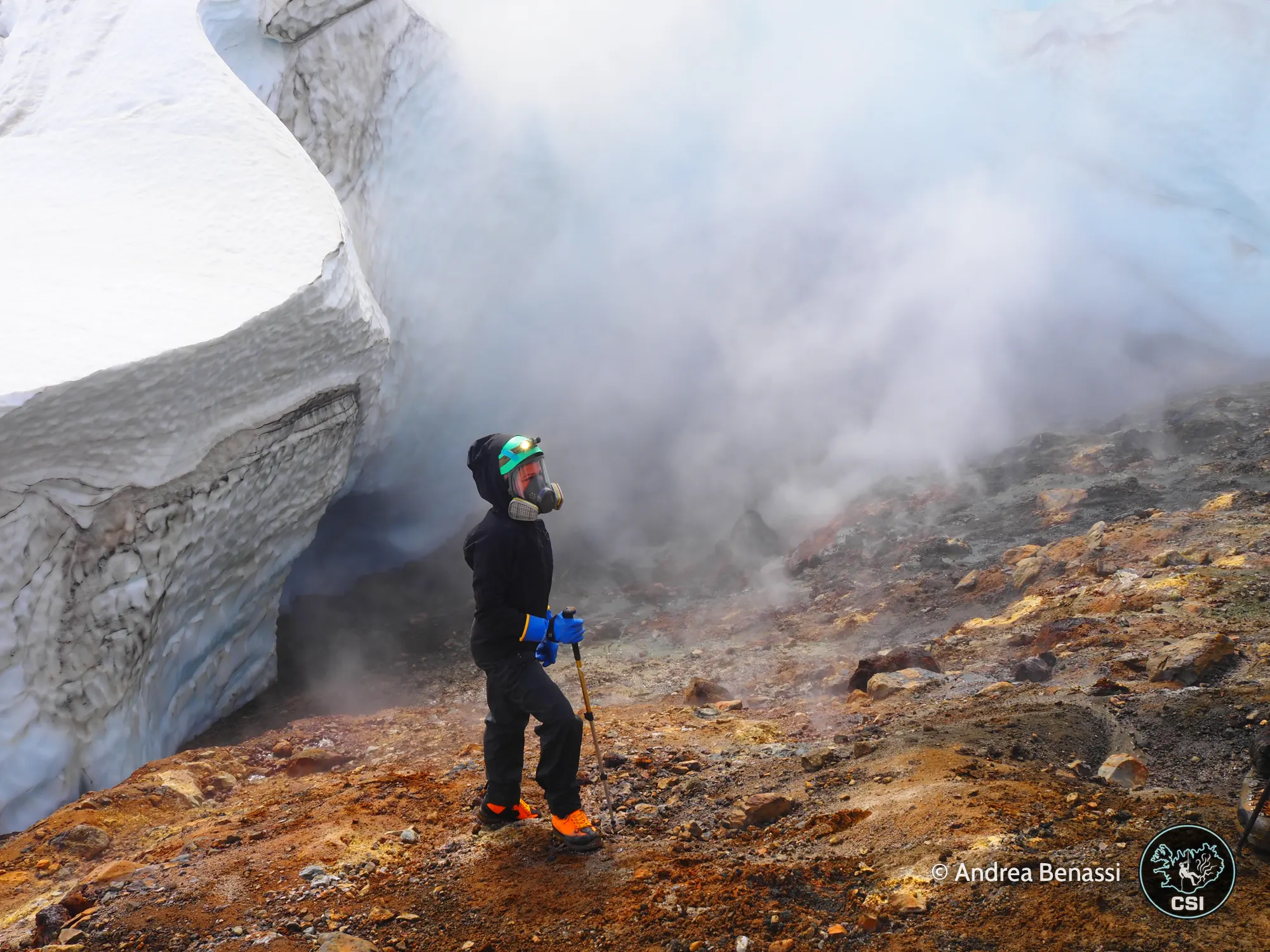
See all 10 photos
Watch
Photogrammetry, cave surveys and timelapse.
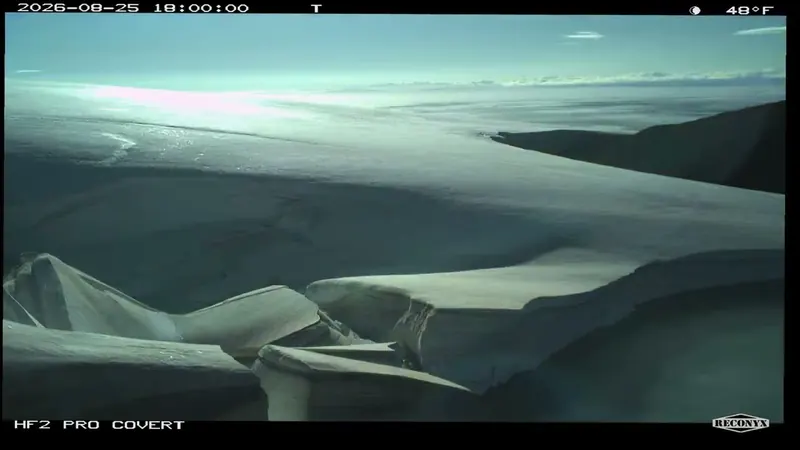 Play video on YouTube
Science and monitoring
Dark, oligotrophic, volcanic environments: Earth analogues for icy moons such as Enceladus.
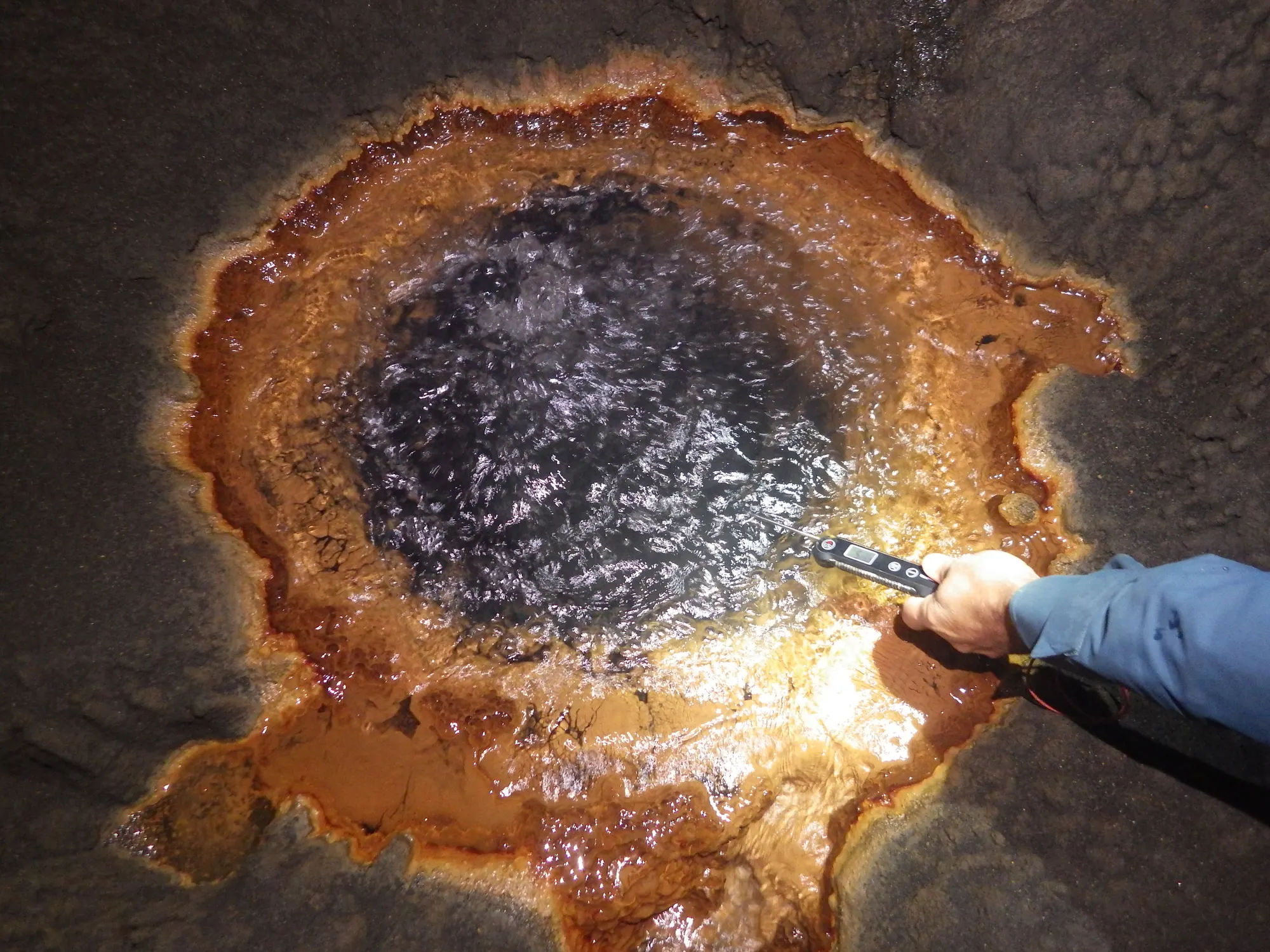
Samples from every cave explored, at Kverkfjöll and Torfa, for the University of Milano-Bicocca.
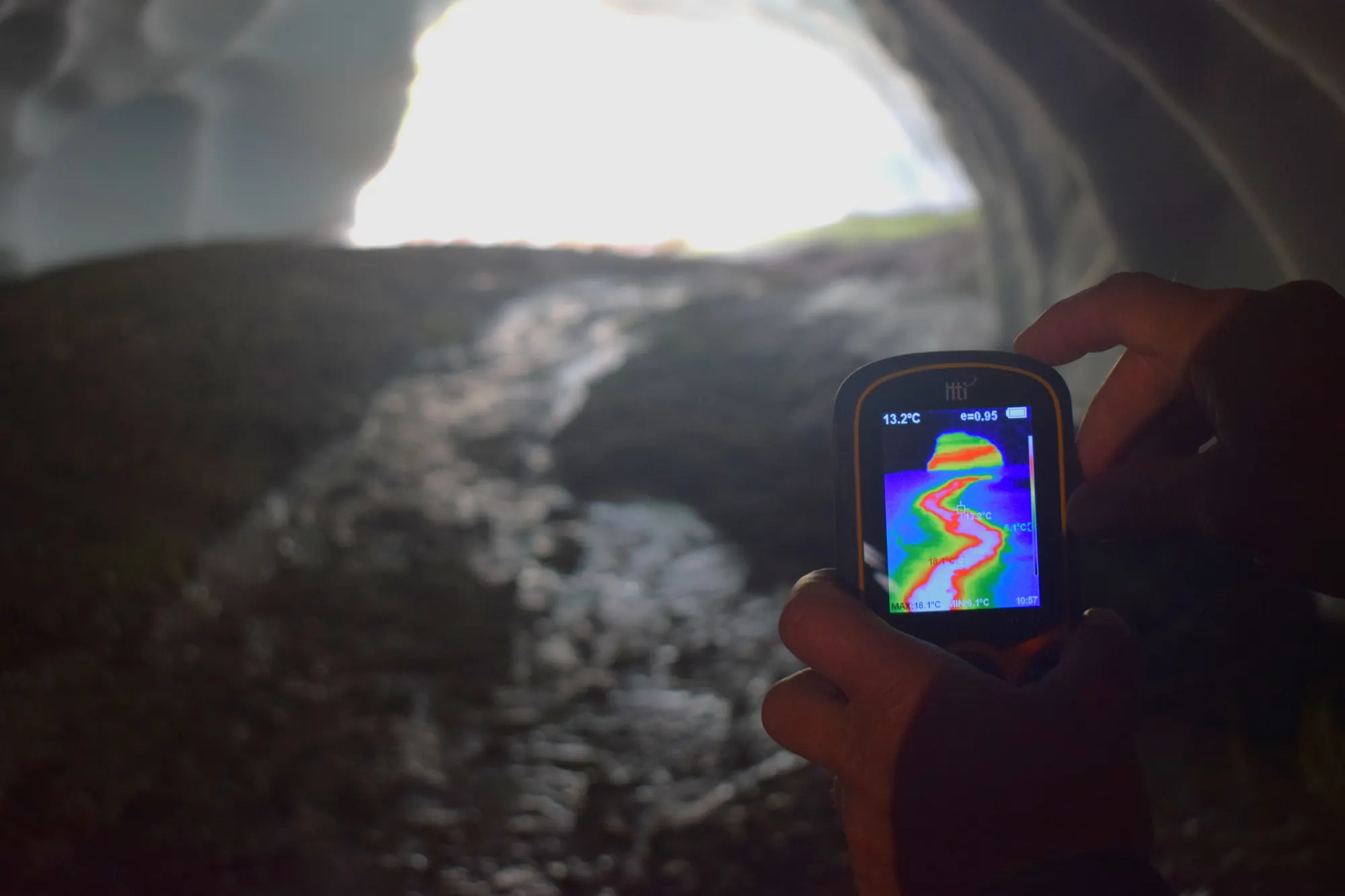
Air and water temperature sensors and timelapse cameras, placed in July and recovered in September by a team led by Lee J. Florea, PhD, Christian Stenner and Linda Sobolewski, PhD (University of Iceland).
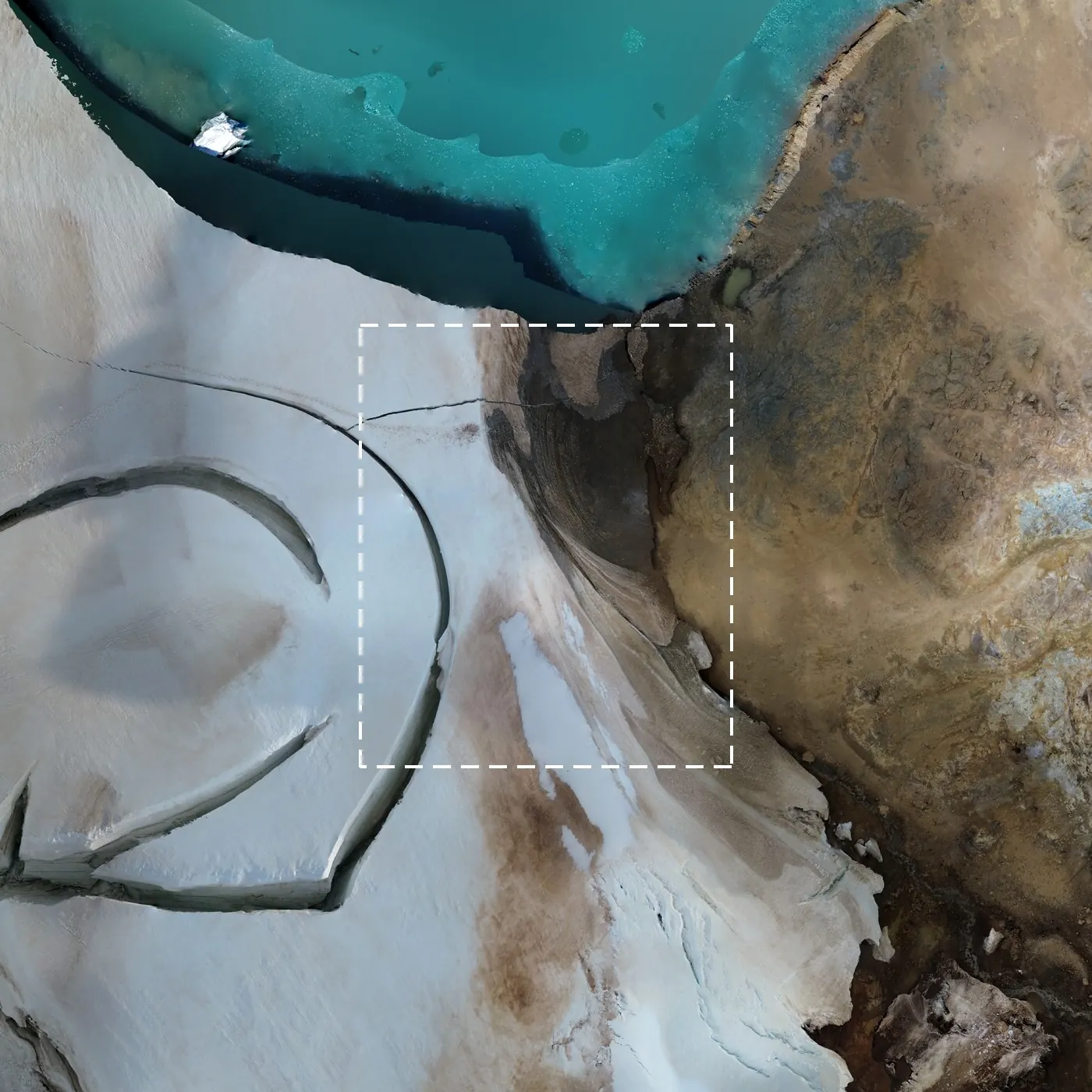
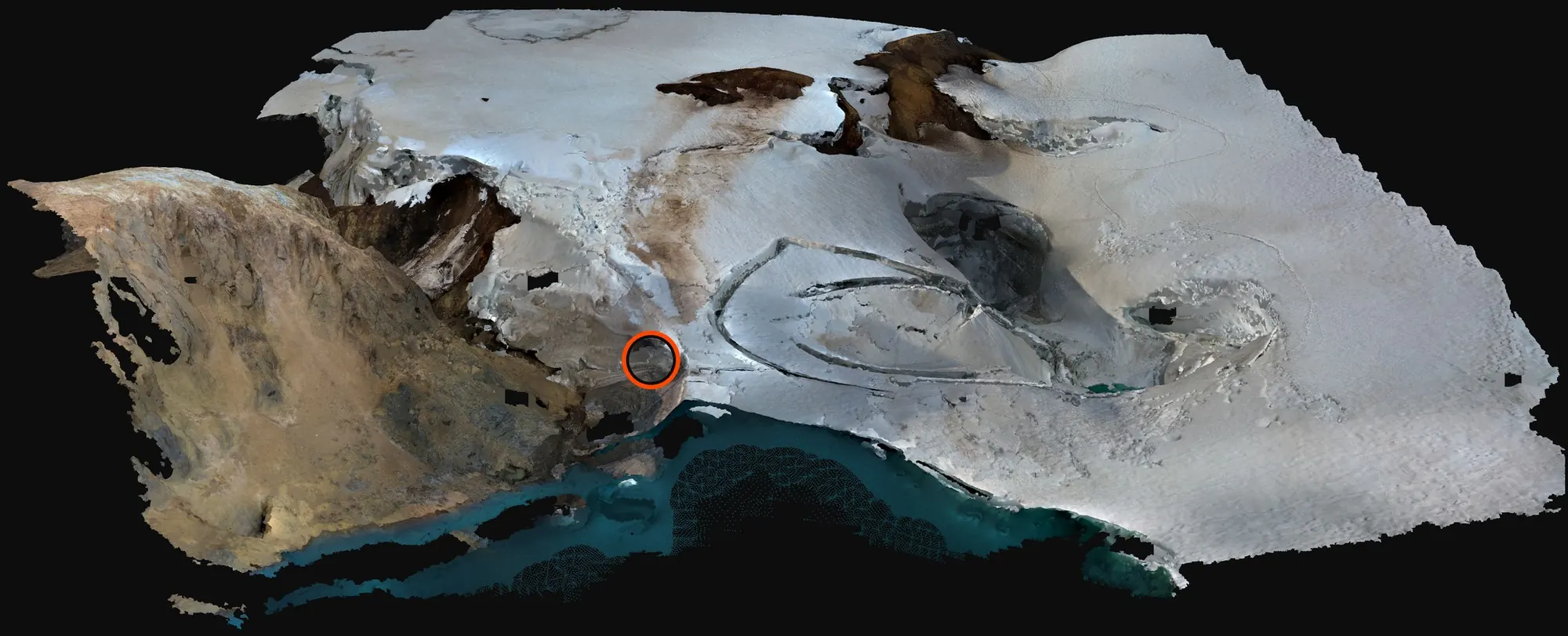
Drone models of the Encelado cauldron, July and September 2026. In 2027 we add lidar: the same voids in three dimensions, from the inside.
In the field
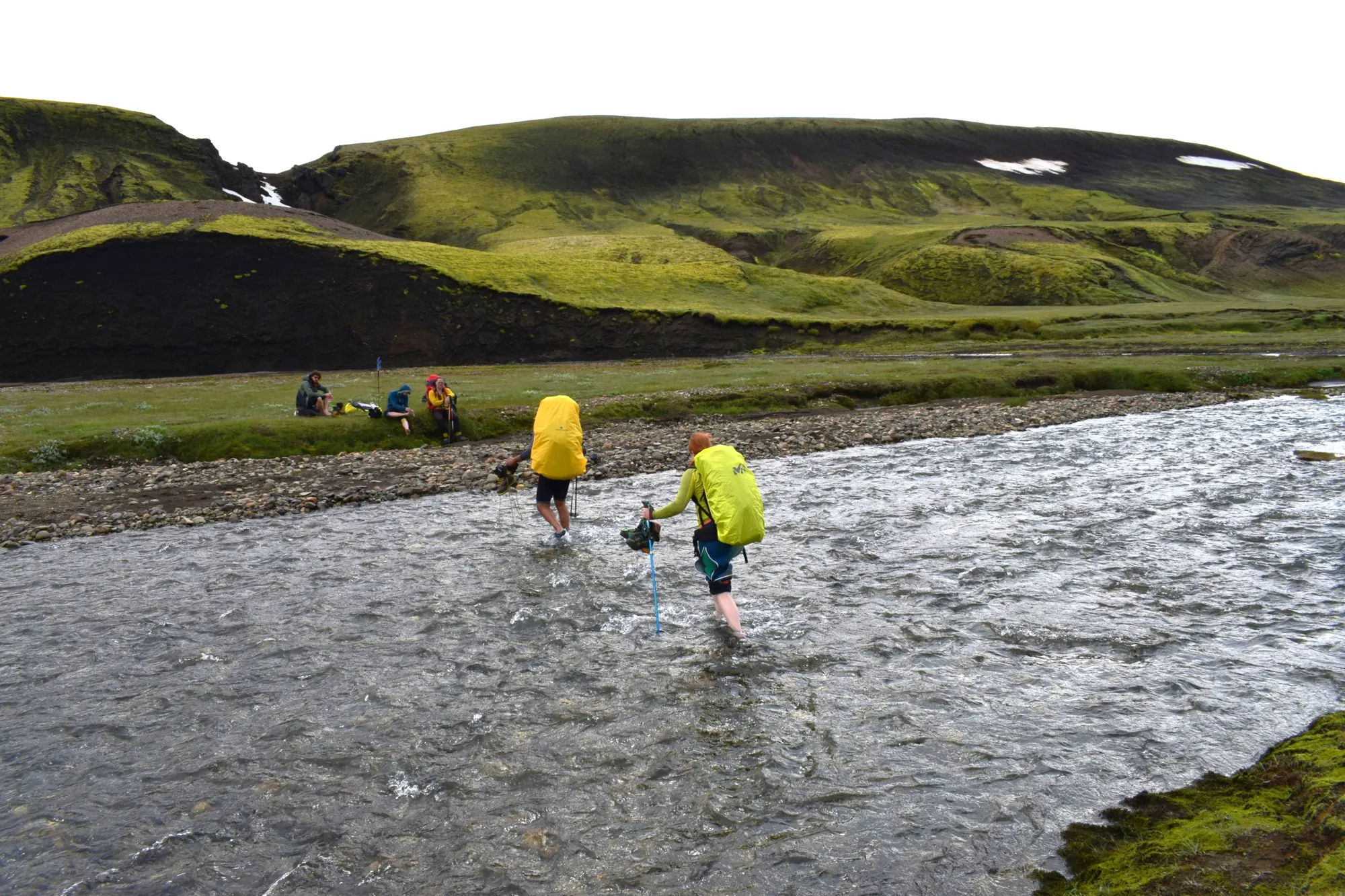
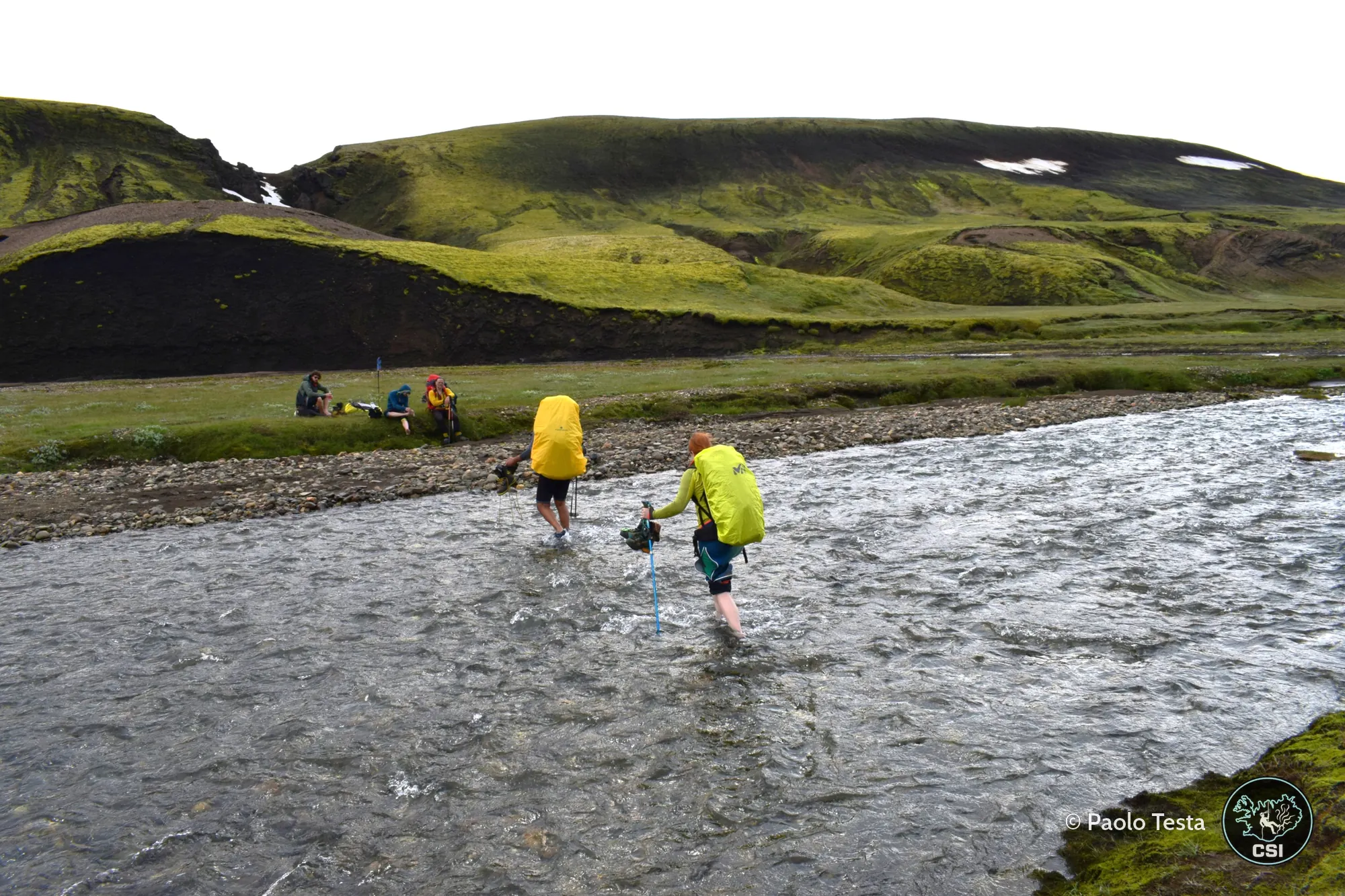
Gear carried on foot for days, through glacial rivers.
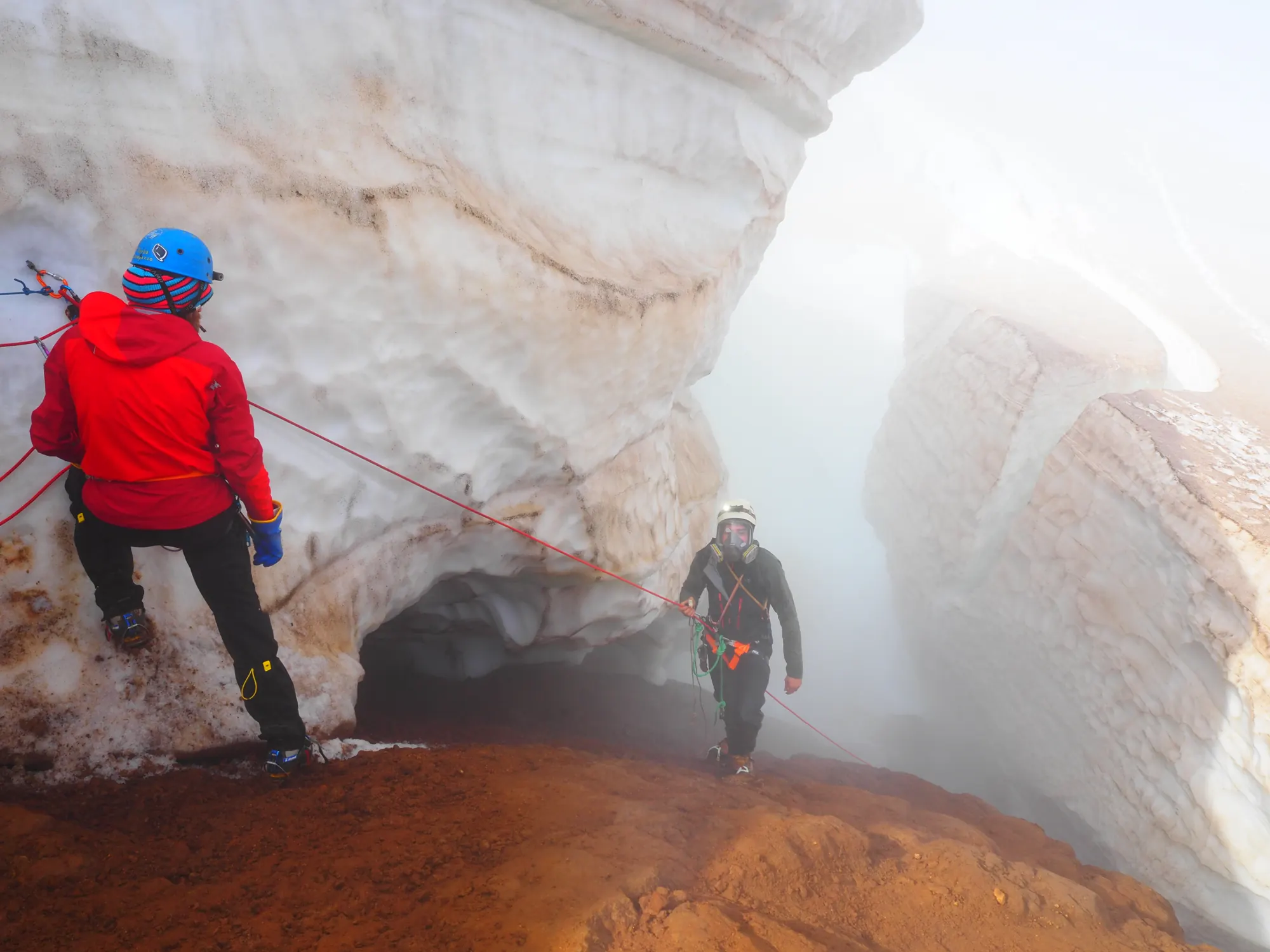
Anchors in poor ice and firn have to hold.
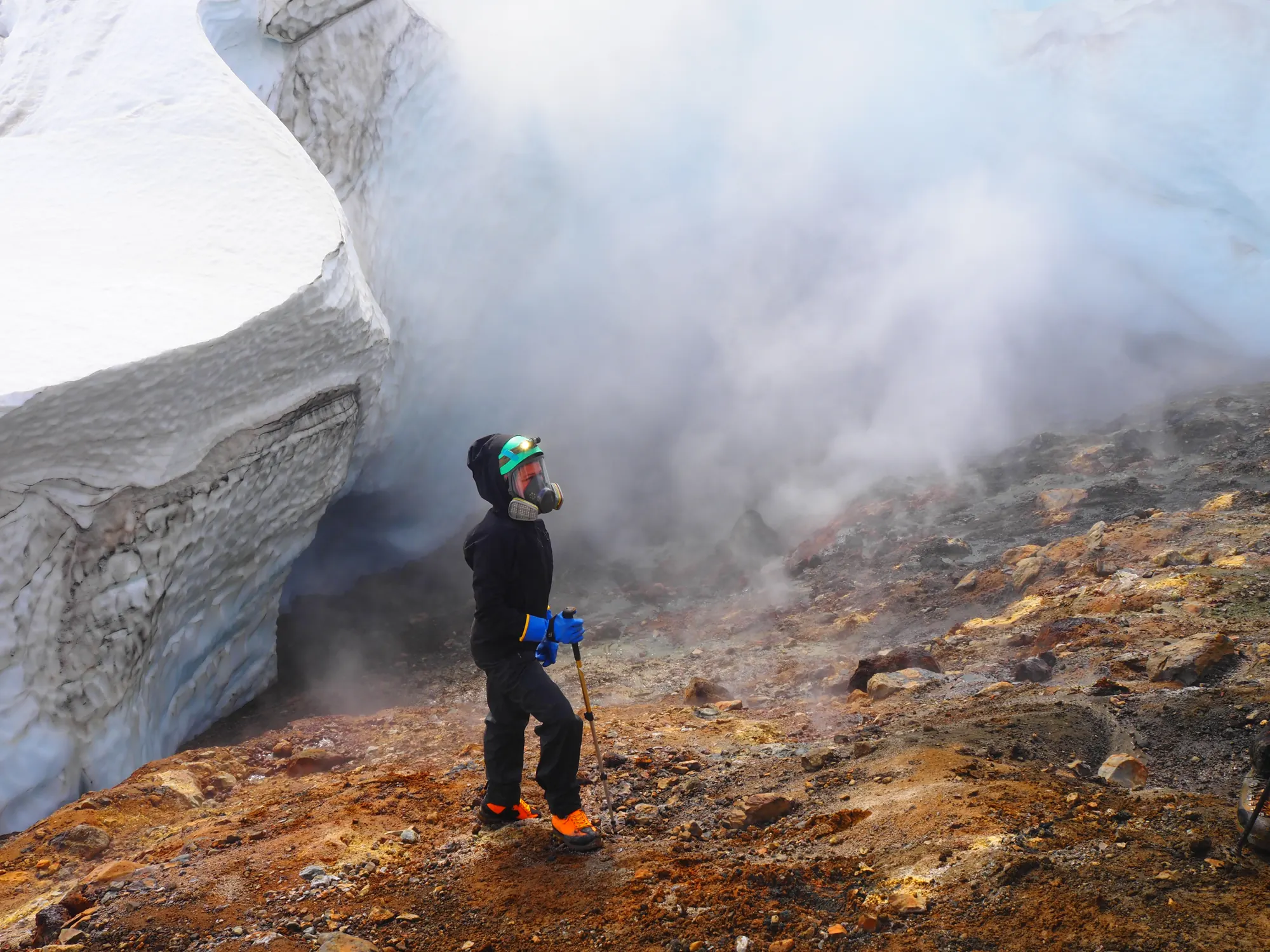
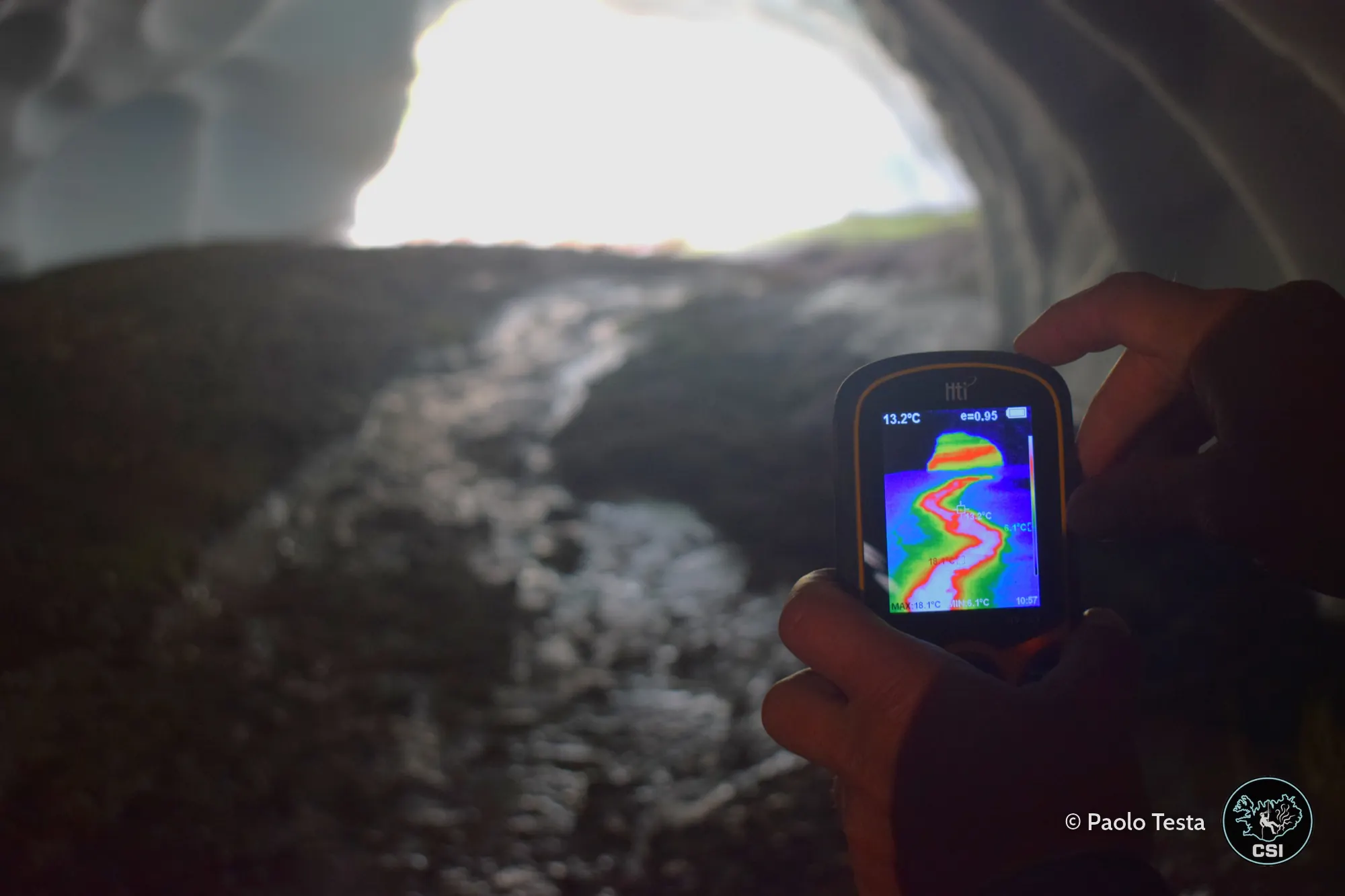
Cavities under the ice trap CO₂, H₂S and SO₂. In Freyja Hellir the detector alarmed at 5 % CO₂ and we turned back. Respirators are only a safety layer: any alarm, we leave.
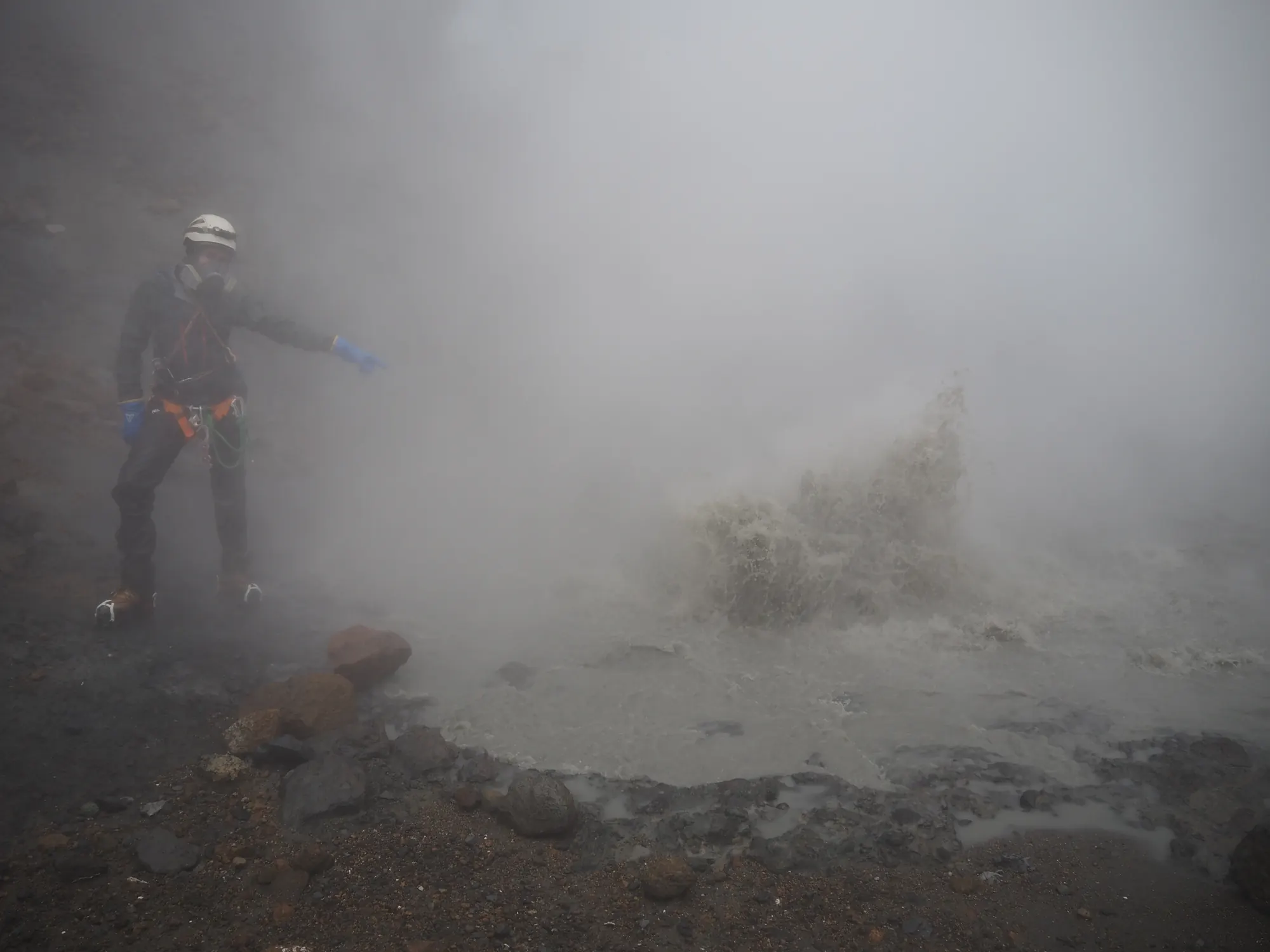
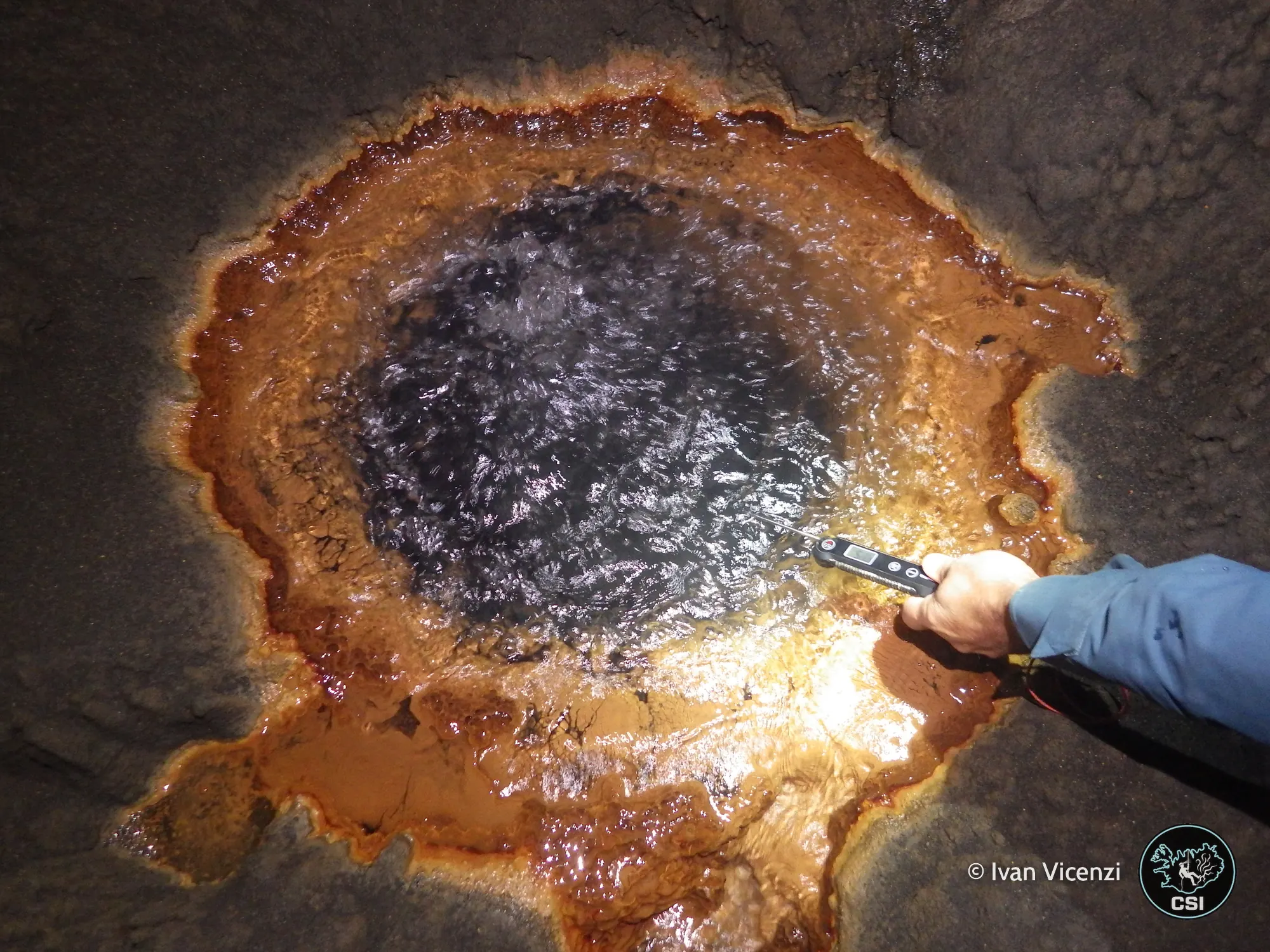
Water from 0.2 to 59.4 °C, ground up to 47 °C.
The team
From different caving groups across Italy, Indipendenti in spirit, Ipogenici by vocation.
The name nods to the Italian band CSI, Consorzio Suonatori Indipendenti: a team from different regions and caving groups needed an informal name, and Consorzio Speleologi Indipendenti fitted. Ipogenici replaced Indipendenti because hypogenic caves are what we look for.
 Andrea Benassi
Research, site selection, team building, public relations
PhD in Anthropology. Advisor to the Italian Speleological Society (SSI). Has organised over 30 international expeditions.
 Lorenzo Bordin
Logistics, partner and park relations, data processing, publications
PhD in Theoretical Physics. SSI instructor. Ice caves, cave survey and drone photogrammetry.
 Maria F. Trombini
Food supplies and rations, drone photogrammetry
SSI speleology instructor. Ice caves since 2023; expeditions in Italy, France, Slovenia, Albania, Austria, UK.
 Cristian Monticone (Lazzaro)
Lead explorer in the most hazardous passages
Vice President, Gruppo Speleologico Piemontese; CNSAS. Breathing apparatus and confined spaces.
 Mattia Gerbaudo (Jerba)
Technical gear, confined-space safety, high-risk descents
Industrial safety specialist. CNSAS rescuer, CAI mountaineering instructor. Gas and safety lead.
 Carlo Urbanet
Exploration, field coordination, food and medical supplies
Engineer, National Speleology Instructor (SSI), CNSAS technician. Explorations in Ethiopia, Iran, Brazil.
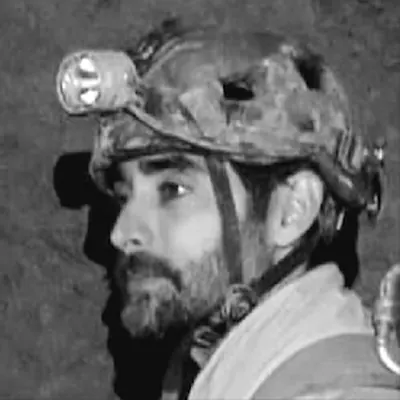 Ivan Vicenzi
Exploration, field support, photography
Rescue operator for over 23 years and technical diver. Expeditions to West Papua, Laos, Honduras.
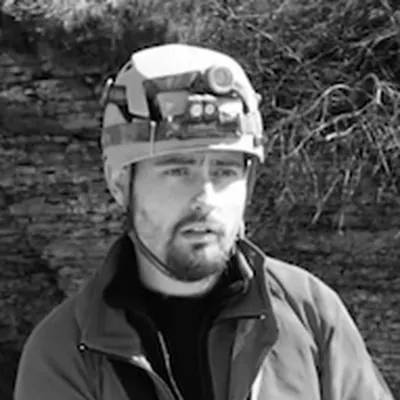 Marco Ettrapini
Exploration, field support
Chemist and assistant speleology instructor. Mountaineering, rock and ice climbing, canyoning.
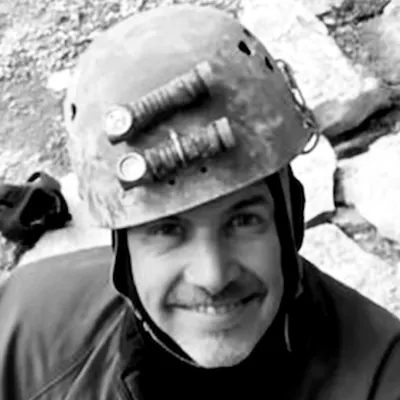 Paolo Turrini
Microbiological research and sampling (Bicocca)
PhD in Microbiology. Rope access and confined-space specialist; caving in Indonesia, Mexico, Morocco.
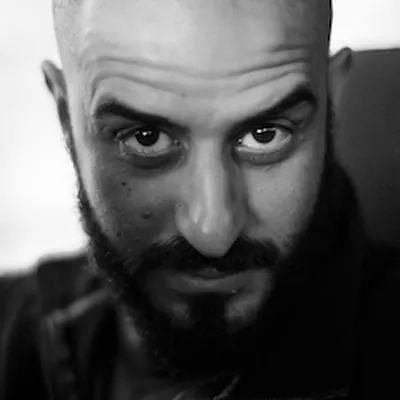 Lorenzo Scialò
Exploration, confined spaces, biological sampling support
Rope access technician and industrial rescuer. Expeditions to Mexico, Greece, Albania, Montenegro.
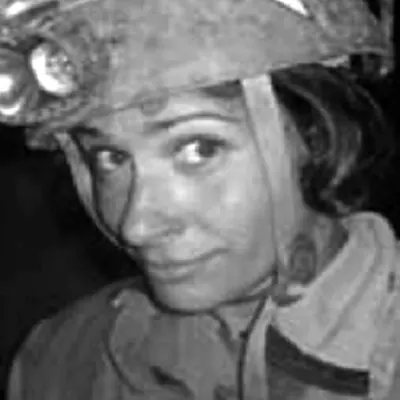 Katia Zampatti
Exploration, confined spaces, biological sampling support
Industrial rescuer, canyoner, alpinist. Member of the Italian Speleological Society. Caving in Norway and Iceland.
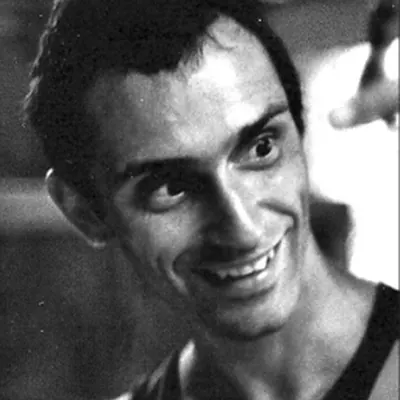 Tommaso Biondi
Photography, filming, documentary
Caving and mountain documentary maker, award-winning. Films in Africa, South America and West Papua.
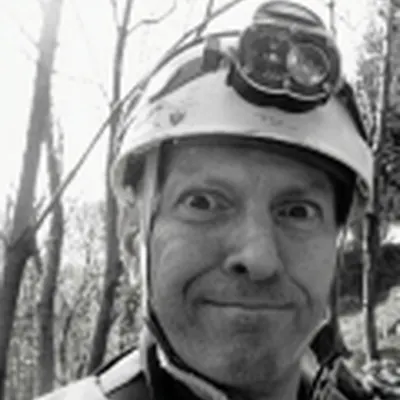 Paolo Testa
Photography
National Speleology Instructor (CAI), caving since 1987. Founded Progetto Speleologia Glaciale in 2008.
Press and talks
Partners



Contact
2027 expedition: about 10–31 July. For partnerships, press or talks, write to the address below.